


Some crimes end in arrests.
Some end in convictions.
But the cases that haunt history, the ones that refuse to fade are the unsolved ones.
An unsolved mystery is psychologically different from a solved crime. It lingers. It disturbs. It creates tension in the human mind because there is no resolution, no narrative closure.
At PodCandy, we don’t approach unsolved mysteries as supernatural riddles. We approach them as behavioral puzzles, moments where human psychology, investigative limitations, and sometimes strategic criminal intelligence intersect.
These are some of the strangest unsolved mysteries of all time primarily from the United States examined through a forensic psychology lens.
What Makes an Unsolved Mystery Truly “Strange”?
Not every cold case is strange.
Some go unsolved due to lack of evidence. Others fade due to time.
A mystery becomes truly strange when:
- Behavior contradicts logical expectations
- There is no clear motive
- Forensic evidence is minimal or absent
- Witness accounts conflict
- Offender psychology appears inconsistent
Strangeness emerges when human behavior doesn’t align with established patterns.
And that is where psychology becomes critical.
The Disappearance of Maura Murray
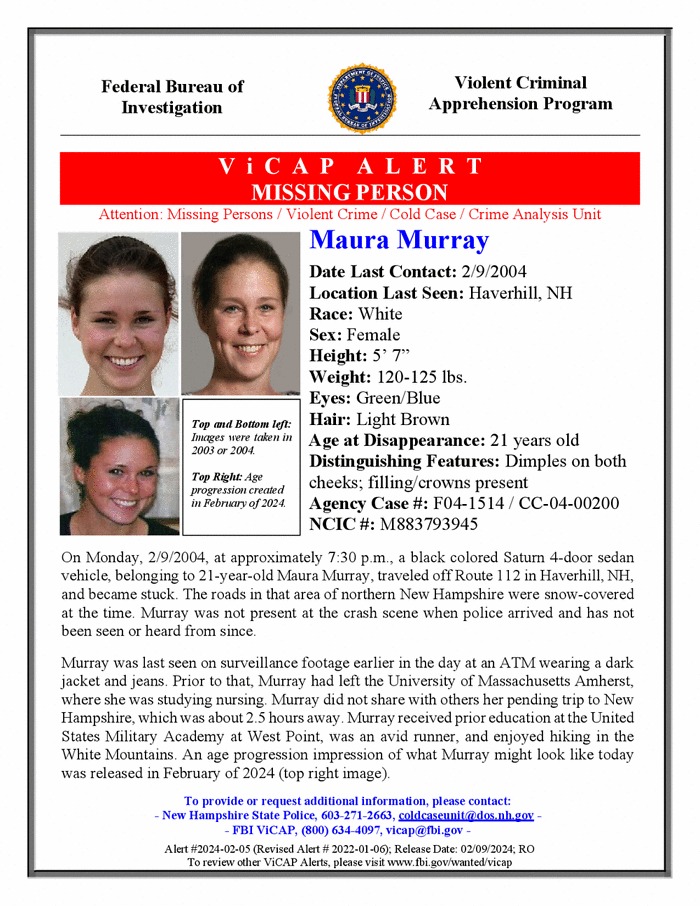

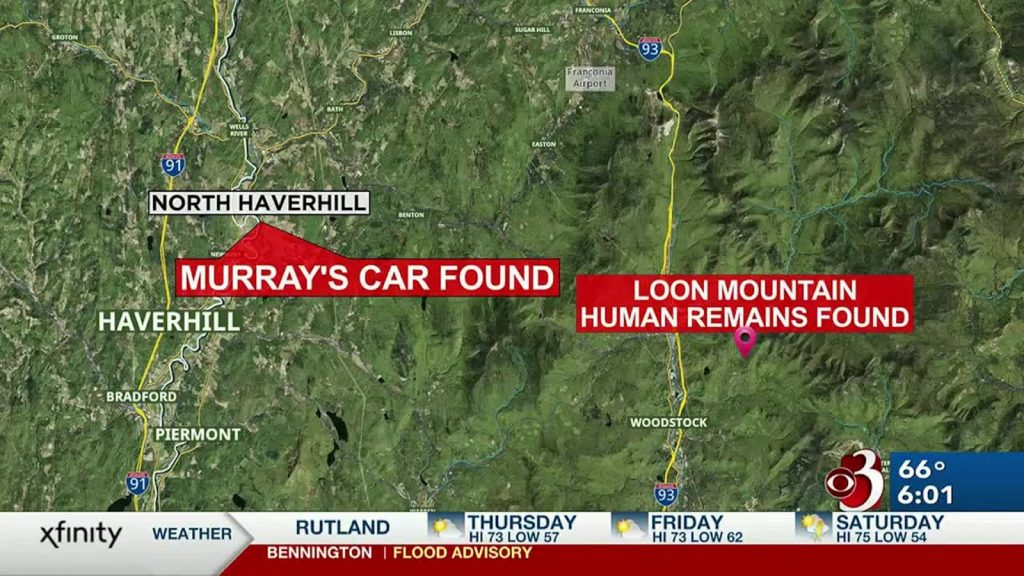
In February 2004, Maura Murray, a 21-year-old nursing student, crashed her car on a rural road in Haverhill, New Hampshire.
When police arrived minutes later, she was gone.
No confirmed sightings.
No definitive evidence of abduction.
No body recovered.
Why It’s Strange
- She had abruptly left campus days earlier.
- She emailed professors about a family emergency.
- She declined assistance from a passerby after the crash.
- She vanished within a narrow time window in freezing conditions.
From a behavioral standpoint, investigators face conflicting possibilities:
- Voluntary disappearance
- Accidental death in wilderness
- Opportunistic abduction
The psychological ambiguity fuels speculation. There is no behavioral clarity.
In unsolved disappearances, one of the greatest obstacles is interpreting pre-event behavior. Was she distressed? Planning escape? Acting impulsively?
Without a confirmed trajectory, motive remains blurred.
The Zodiac Killer
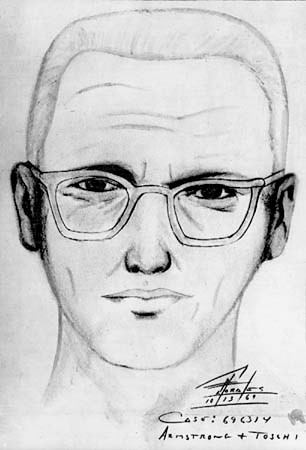
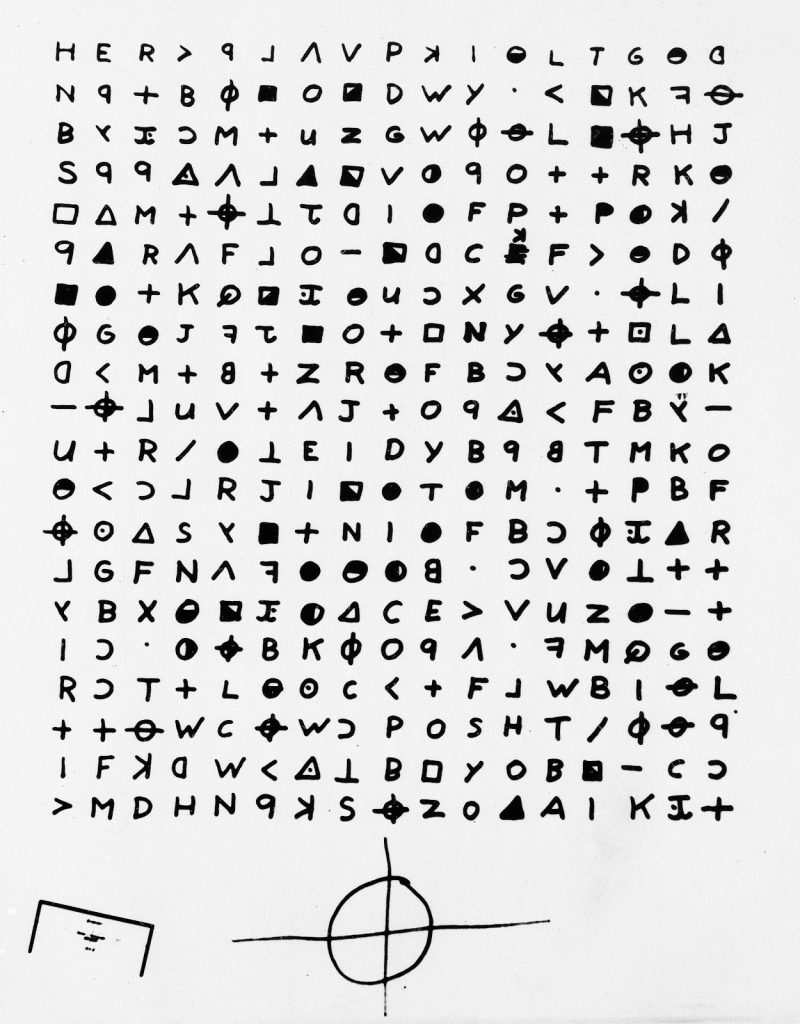
Few unsolved American cases are as culturally embedded as the Zodiac Killer.
Active in Northern California during the late 1960s, the Zodiac murdered at least five confirmed victims and possibly more while sending cryptic letters to newspapers.
Why It’s Strange
- He craved media attention.
- He taunted investigators.
- He used coded messages.
- He stopped without explanation.
Psychologically, this offender demonstrates traits of:
- Narcissism
- Intellectual superiority
- Theatrical dominance
- Media manipulation
The strangeness lies in duality.
He wanted to be seen but not identified.
He sought recognition but avoided capture.
From a forensic psychology perspective, this reflects a personality driven not only by violence, but by ego validation.
The unresolved identity transforms him into a myth which may have been part of the psychological objective.
D. B. Cooper
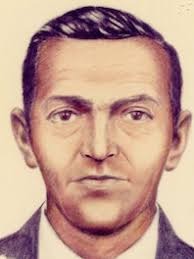

In 1971, a man using the name D. B. Cooper hijacked Northwest Orient Airlines Flight 305, demanded $200,000 in ransom, and parachuted from the plane over Washington State.
He was never conclusively identified.
Why It’s Strange
- Calm and controlled during hijacking
- Demonstrated technical knowledge
- Jumped into dangerous terrain
- No confirmed remains
The psychology suggests:
- High risk tolerance
- Confidence bordering on grandiosity
- Strategic planning
- Emotional regulation under pressure
If he survived, he executed one of the most calculated vanishing acts in American criminal history.
If he didn’t survive, then the psychology shifts was the jump itself a calculated gamble, or overconfidence?
The ambiguity sustains the mystery.
The Murder of JonBenét Ramsey



In 1996, six-year-old JonBenet Ramsey was found dead in her family’s Boulder, Colorado home.
The ransom note.
The staged elements.
The media frenzy.
Why It’s Strange
- The lengthy ransom note written inside the home
- No forced entry confirmed
- Complex family dynamics
- Investigative missteps
Psychologically, this case demonstrates how early investigative errors and public scrutiny can complicate resolution.
The ransom note itself remains one of the most debated behavioral artifacts in criminal history.
Was it misdirection?
Staging?
An internal act?
The mixture of domestic intimacy and theatrical presentation creates profound psychological tension.
The Disappearance of Madeleine McCann (Global Case)
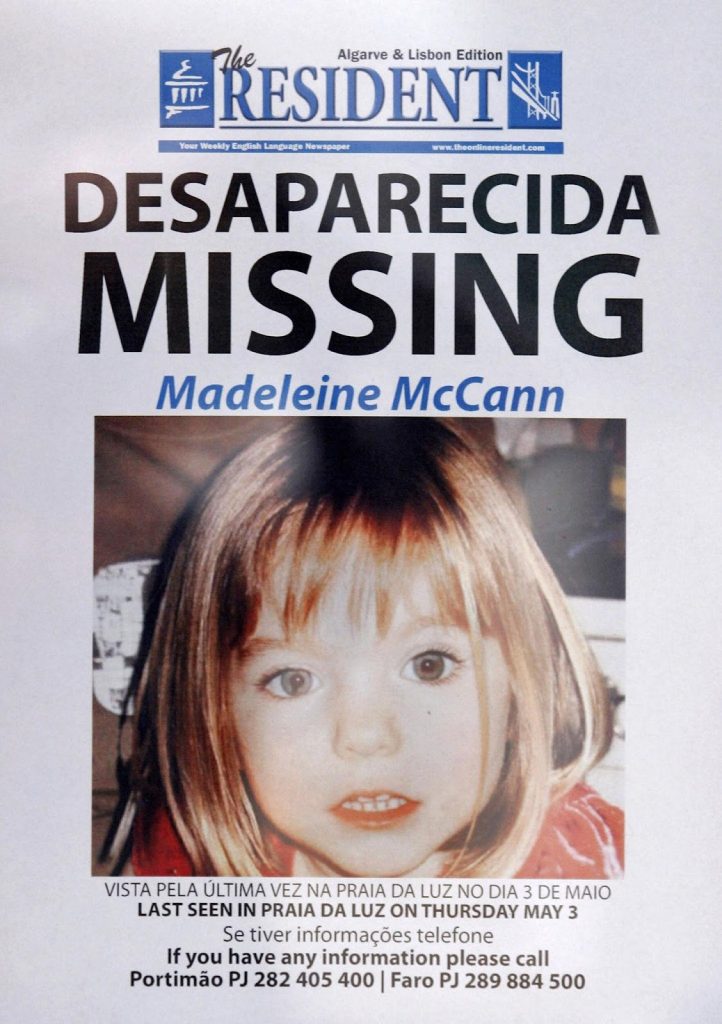


In 2007, three-year-old Madeleine McCann disappeared from a vacation apartment in Portugal.
Despite international search efforts and ongoing suspect developments, the case remains unresolved.
Why It’s Strange
- Massive global media exposure
- Conflicting suspect theories
- Long-term uncertainty
The psychological dimension here involves public narrative distortion.
When cases receive intense global attention, speculation multiplies. Investigative clarity can be overshadowed by media pressure.
Sometimes mystery grows not from absence of evidence but from overload of interpretation.
The Psychology Behind Unsolved Cases
Unsolved cases often involve one of three dynamics:
1. Investigative Limitations
Older cases lack modern forensic technology. DNA analysis, surveillance systems, and digital footprints were absent decades ago.
2. Strategic Offender Behavior
Some offenders demonstrate advanced planning, minimal forensic trace, and compartmentalization.
3. Cognitive Bias
Investigators, like all humans, can fall prey to tunnel vision focusing on one theory while overlooking alternatives.
When these factors intersect, mystery persists.
Expert Insight: Why Some Cases Stay Cold
From a forensic psychology perspective including insights aligned with experts like Dr. John Mayer pattern recognition is essential in criminal profiling.
When offenders:
- Avoid repetition
- Limit forensic evidence
- Maintain emotional detachment
- Compartmentalize behavior
They become difficult to identify.
Highly organized offenders often:
- Plan carefully
- Control risk exposure
- Avoid victim familiarity
- Adapt behavior to investigative trends
These individuals don’t rely on impulse, they rely on calculation.
Dr. John Mayer often emphasizes that profiling works because behavior tends to repeat. Humans seek efficiency and familiarity.
When someone deliberately disrupts that repetition, predictive models weaken.
That’s when mystery thrives.
Why We’re Obsessed With Unsolved Mysteries
Psychologically, unresolved stories create discomfort.
The brain seeks closure. When closure is absent, cognitive tension persists.
This is known as the Zeigarnik effect, when incomplete narratives remain active in memory.
Unsolved mysteries trigger:
- Curiosity
- Fear
- Pattern-seeking
- Community speculation
In the digital era, online forums amplify this effect. Amateur sleuths revisit cold cases, creating renewed cycles of interest.
But fascination should not replace disciplined analysis.
At PodCandy, we believe behavioral science remains the strongest lens for understanding unresolved crime.
Final Thoughts
The strangest unsolved mysteries of all time are not strange because they defy logic.
They are strange because human behavior is complex.
From Maura Murray’s disappearance to the Zodiac Killer’s coded taunts, from D. B. Cooper’s vanishing leap to the tragic case of JonBenét Ramsey, these stories persist because they sit at the intersection of psychology, evidence gaps, and investigative limits.
Mystery is not magic.
It is often a reflection of human planning, human error, or human ambiguity.
And until answers emerge, the silence becomes part of the story.
Because sometimes, the strangest mystery is not what happened.
It’s what human behavior refuses to explain.